We use affiliate links to earn commissions. Additionally, as an Amazon Associate, I earn from qualifying purchases at no extra cost to you. Learn more.

Filter by Category

Explore Posts

Natural Language Processing (NLP): 5 Best Ways Teaching Computers

Natural Language Processing (NLP) is the field of AI that enables computers to understand, interpret, and generate human language. It bridges the gap between how humans communicate and how computers process information. NLP uses complex algorithms and Machine Learning to break down language into understandable components. Key applications include chatbots, translation, and sentiment analysis, helping computers grasp context. Understanding NLP is crucial for developing AI that interacts naturally and effectively with people.

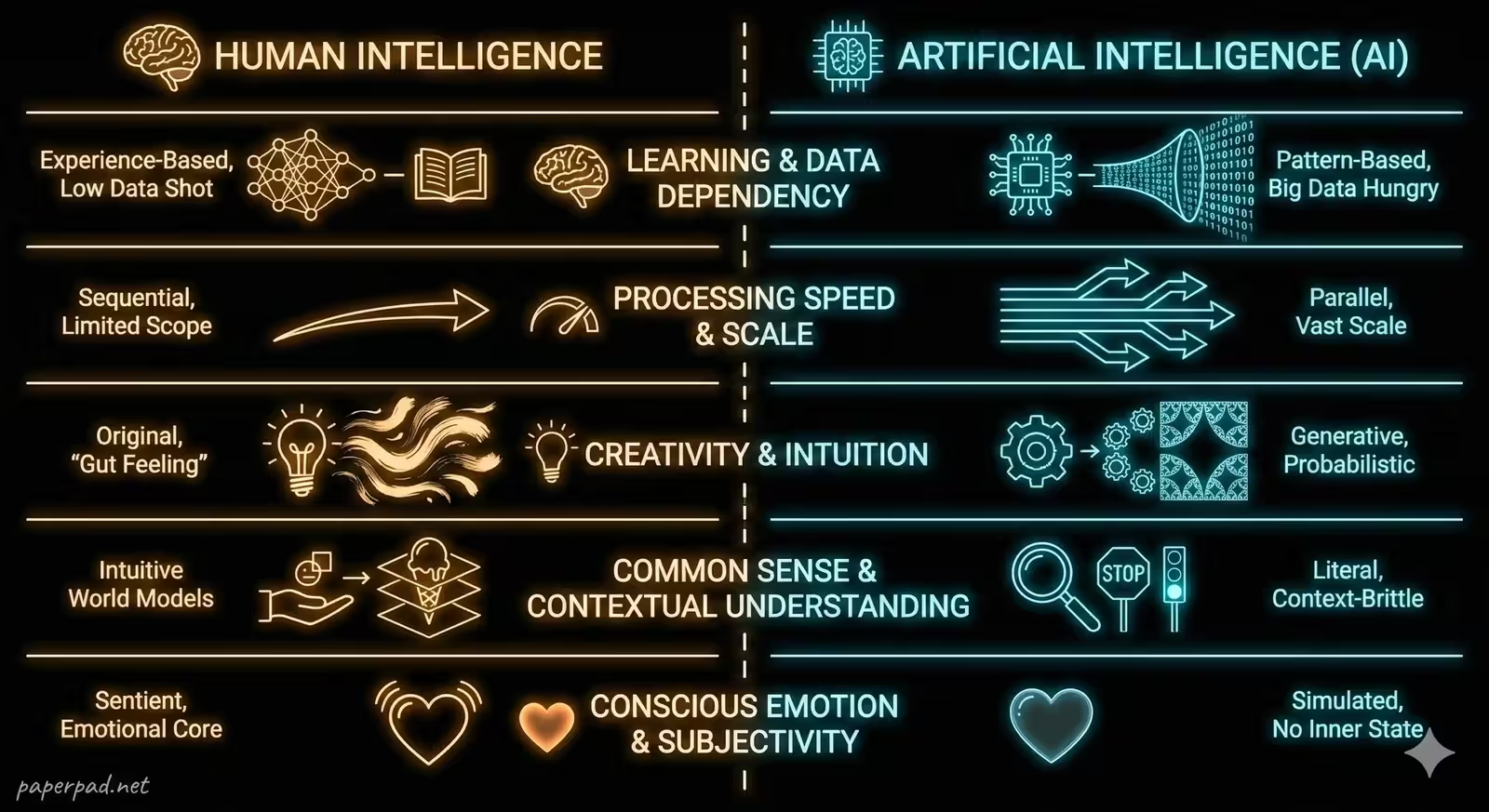
AI vs Human Intelligence: 5 Big Differences Explained

AI vs. Human Intelligence highlights fundamental differences in how each thinks, learns, and operates. AI excels at speed, data processing, and repetitive tasks, following precise algorithms. Human intelligence shines in creativity, common sense, emotional understanding, and complex context. While AI can mimic aspects of human thought, it lacks true consciousness or subjective experience. Understanding these differences is crucial for effective human-AI collaboration and responsible AI adoption.

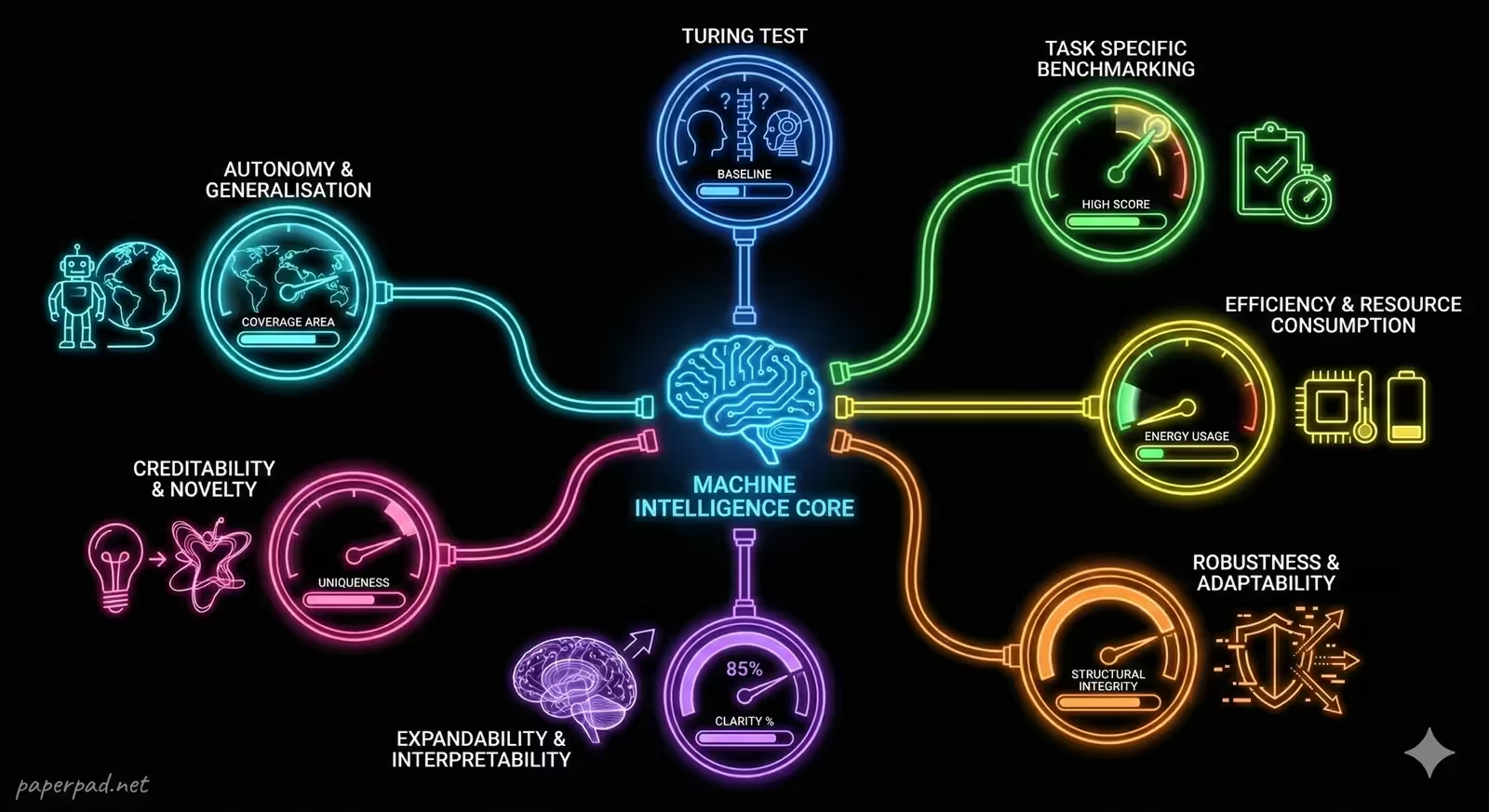
Turing Test and Beyond: How to Measure AI Intelligence?

Measuring Machine Intelligence isn't straightforward; it's more complex than a simple "IQ test" for AI. Traditional methods like the Turing Test focus on human-like conversation, but often fall short. Modern approaches use diverse benchmarking tasks, evaluating AI's abilities in specific domains. Key metrics include performance, efficiency, adaptability, and even creativity. Understanding these methods is crucial for assessing true AI progress and its autonomy.

Explainable AI (XAI): Why Understanding AI’s “Why” is Critical

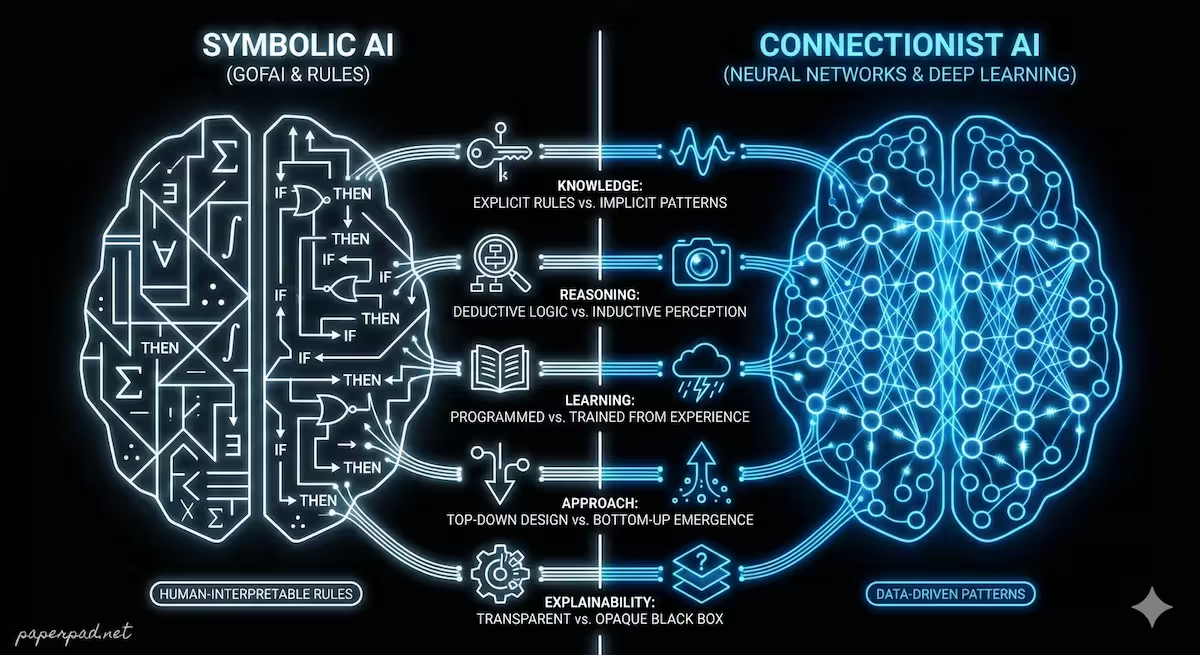
Explainable AI (XAI) helps us understand why an AI makes a particular decision, instead of just knowing what it decided. Many powerful AI models are "black boxes," making decisions without clear reasoning. Understanding the "why" is critical for building trust, detecting bias, ensuring safety, and meeting compliance. XAI methods allow us to peek inside these black boxes, providing transparency and auditability. Embracing XAI is vital for responsible AI adoption and effective governance.

Bias in AI: Why Fair Data is Crucial for Fair Algorithms

Bias in AI happens when AI systems make unfair or discriminatory decisions. It often originates from biased training data, reflecting societal prejudices or historical inequalities. Fair data is crucial because AI algorithms learn from what they're fed; biased data leads to biased outcomes. Recognizing and mitigating bias requires careful data governance, diverse teams, and continuous monitoring. Addressing bias is essential for building trustworthy AI, ensuring ethical compliance, and achieving equitable societal impact.

AI Ethics 101: Building Responsible Artificial Intelligence

AI Ethics is about building AI systems that are fair, transparent, and beneficial for humanity. It's crucial because AI impacts everyone, from individual privacy to societal fairness. The 5 pillars include fairness, transparency, accountability, privacy, and safety/reliability. Implementing ethical guardrails involves proactive design, continuous monitoring, and human-in-the-loop oversight. Addressing AI ethics ensures public trust, reduces risks like bias and misuse, and promotes responsible AI adoption.

Boost Business Productivity with AI Solutions